#14
Enjoying Winter Activities in the Taisetsuzan Mountains
Masami Yamagishi
Chairman of Marketing Communication ERG Inc. / Event Producer / SESSA (Sapporo Engage Share & Succeed Academy) Coordinator / Director of Igarashi Takenobu Museum "Kazenobi" / Painter
Chairman of Marketing Communication ERG Inc. / Event Producer / SESSA (Sapporo Engage Share & Succeed Academy) Coordinator / Director of Igarashi Takenobu Museum "Kazenobi" / Painter
Born in Hokkaido, I climbed the hills behind my house almost daily as a child. In summer, I would climb trees and build hideouts; in winter, I would create luge courses—though I didn't know what a "luge" was back then. I simply sat on plastic sheeting and slid down the slopes. It was pure joy, and I would play with such intensity that I lost track of time until darkness fell.
Now in my seventies, my spirit of adventure and curiosity remains undiminished, and I still love playing in nature. While my physical strength may show its age, my enthusiasm remains youthful.
Even during my busiest work periods, I would find time for fly fishing, canoeing, hiking, and skiing. I would load my gear into the car and venture as far as eastern and southern Hokkaido to pursue these passions.
Excited about this long-awaited trip, I packed my ski equipment, gear, and camera the night before. At 8 AM, I left my home in Sapporo and headed toward Asahikawa via the Doo Expressway. Though the sky was overcast, there was no snow or wind, and Donald Fagen's "The Nightfly" provided the perfect soundtrack for a comfortable drive.
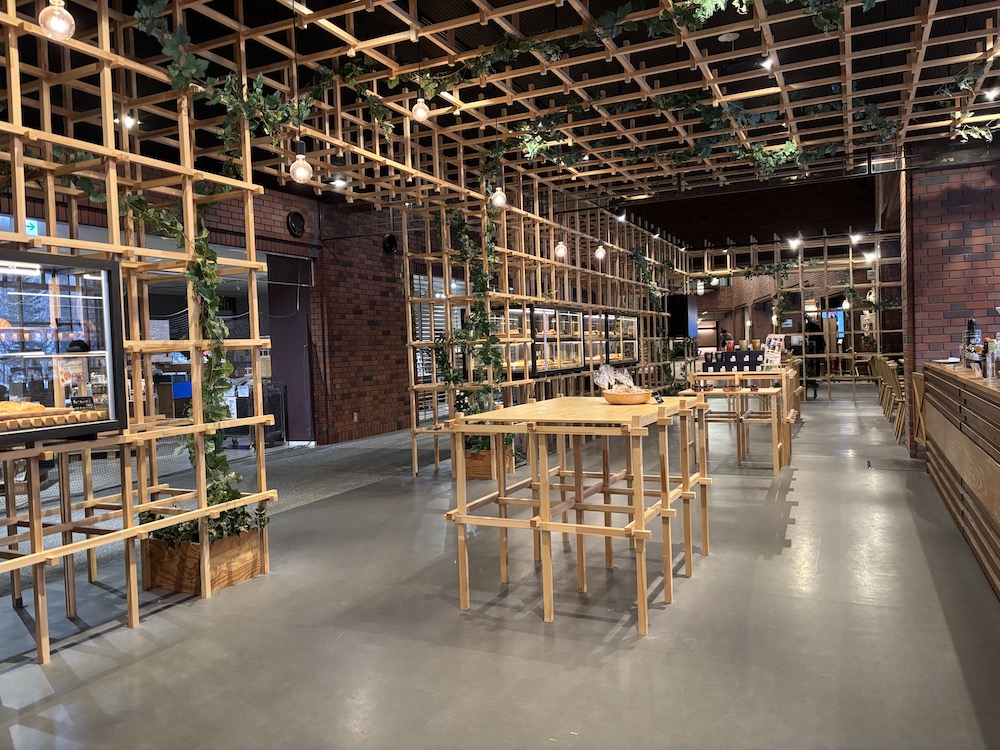
Taisetsu Bakery Café & Bar / Hotel Taisetsu ONSEN & CANYON RESORT 1F
I arrived at 11 AM, almost exactly on schedule. At the Taisetsu Bakery Café & Bar on the first floor of Hotel Taisetsu ONSEN & CANYON RESORT in Sounkyo, where I was meeting my companions, I ordered fresh-baked croissants and aromatic hot coffee from Costa Rica. We confirmed our schedule while enjoying an early lunch. It was just what I needed to ease the fatigue from the long drive. The warm, wood-embraced space offered Hokkaido wines and Sounkyo beer, promising perfect accompaniments for post-trekking and post-hot spring relaxation.
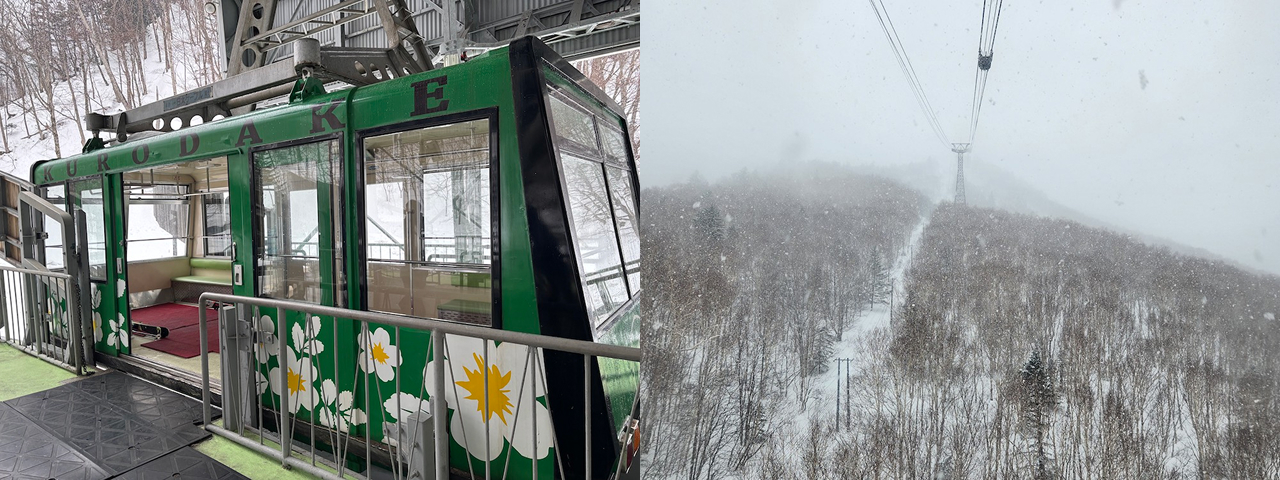
Now for the main event: skiing on Mount Kurodake. The Kurodake Ropeway station was just nearby, and we quickly reached the parking area. After preparing our gear, we boarded the large 101-passenger gondola bound for the 5th station at 1,300 meters elevation. Known for Japan's earliest autumn foliage, this vista has been moving visitors for fifty years. Winter brings primarily skiers, and the Kurodake Station at the 5th station features a Nature Terrace where, if you're lucky, you can witness a sea of clouds.
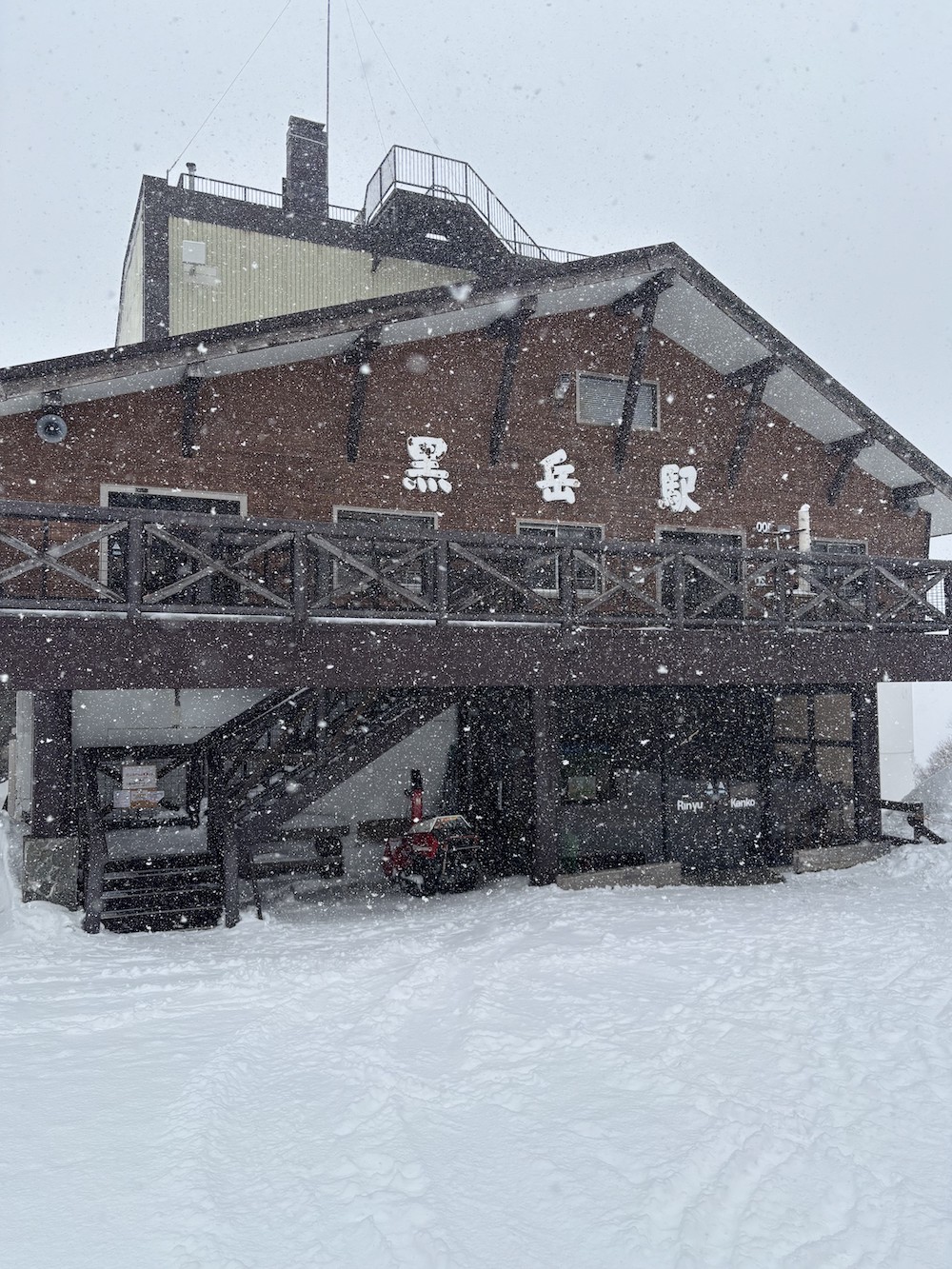
Kurodake Ropeway(*) / Offering spectacular views of Sounkyo's columnar joints and the Taisetsuzan peaks
From there, a two-person chairlift carried us to the 7th station at 1,520 meters. Though snow and fog prevented us from seeing it that day, on clear days, the magnificent Sounkyo gorge spreads out below. The three courses offering powder snow provided thoroughly satisfying skiing.
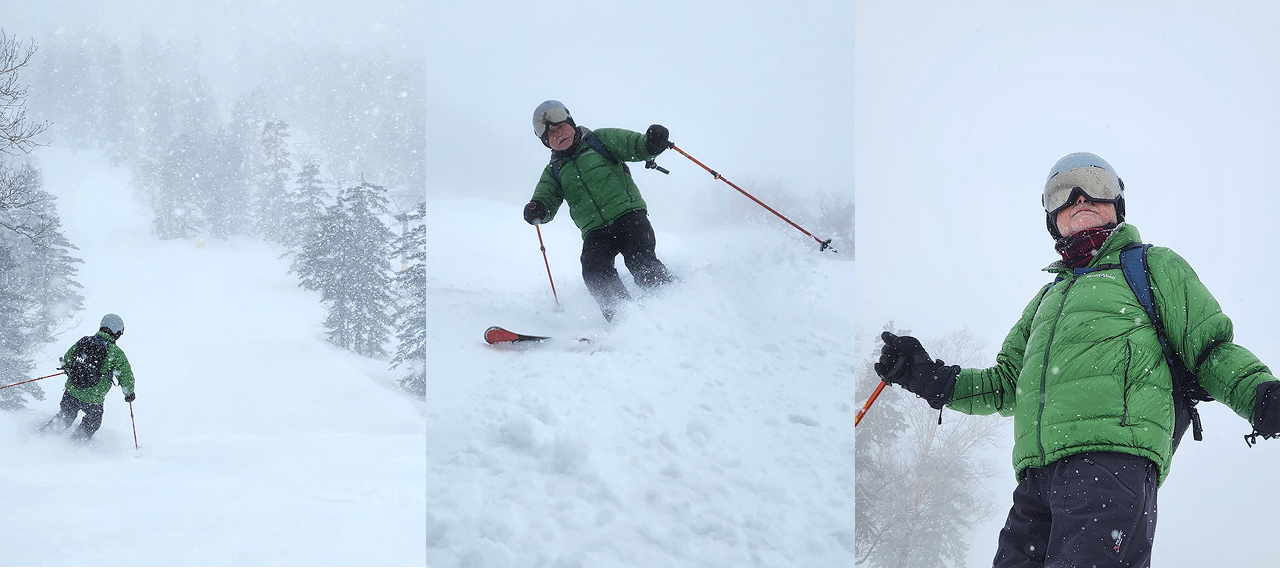
Kurodake Ski Area / Enjoying fresh powder snow on mystical slopes shrouded in snow and fog
Actually, in my twenties, a close friend and I climbed Kurodake in September. Back then, there was no chairlift from the 5th station, and we spent hours climbing toward the 1,984-meter summit. We pitched our tent at the top, and that night, a canopy of stars spread above us, creating the illusion of being drawn into the cosmos. Memories of my youth traversing the Taisetsuzan range came flooding back.
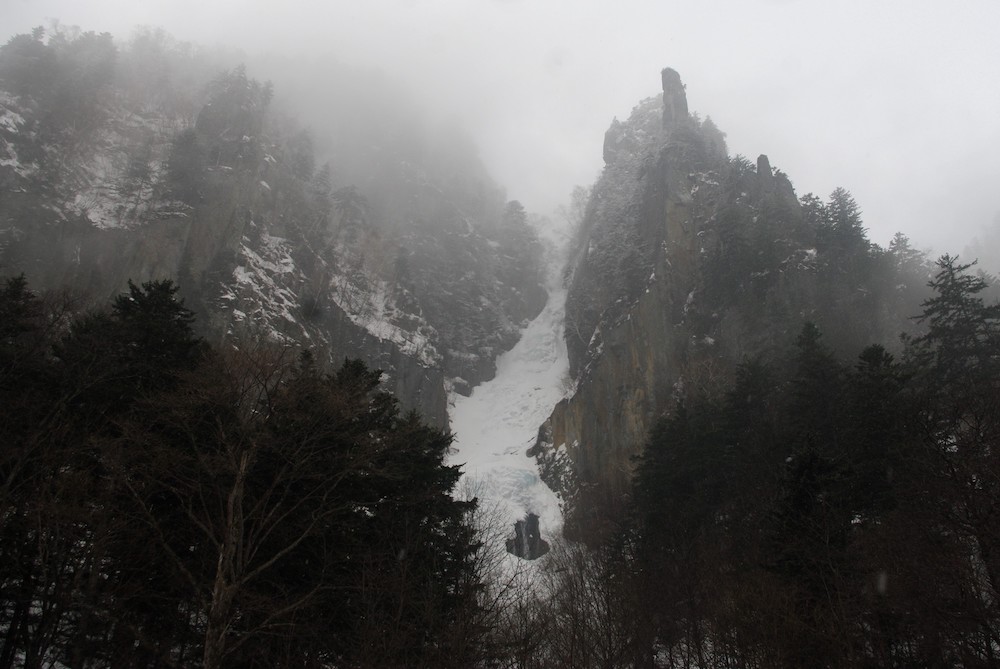
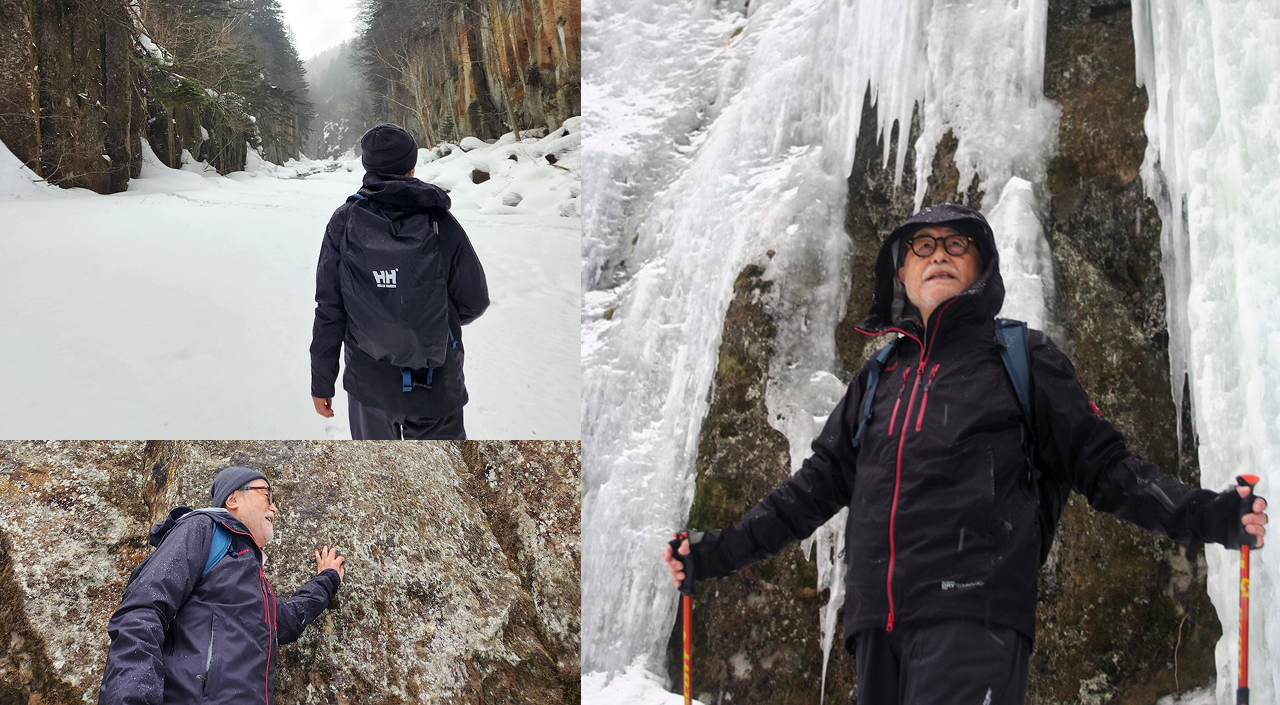
Ryusei Falls drops about 90 meters, Ginga Falls about 120 meters. The majesty of these nearly vertical ice walls is overwhelming
We finished skiing a bit early and drove about five minutes from the Kurodake Ropeway station to visit Ryusei Falls and Ginga Falls. In summer and autumn, these 90-meter waterfalls cascade powerfully, but winter transforms them into ice-covered sculptures resembling ink paintings in their serene beauty. I could have gazed at them for hours.
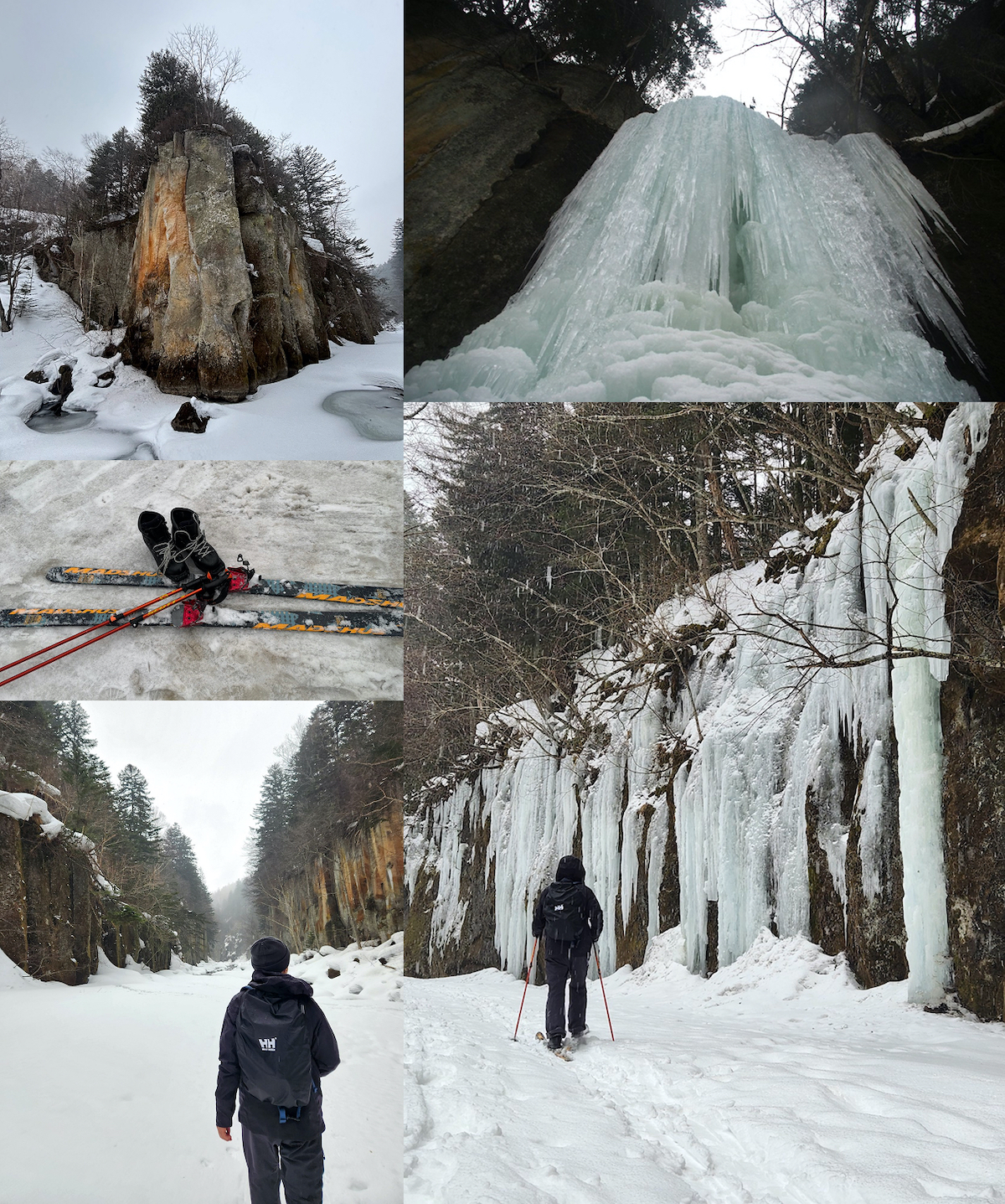
We ventured another 4.5 kilometers to the great canyon called Obako-Kobako. Sounkyo was formed about 30,000 years ago when pyroclastic flows from a massive volcanic eruption solidified, weathered over millennia, and were carved by the Ishikari River into the columnar joints we see today. This 24-kilometer stretch of towering canyon walls is absolutely magnificent. In winter, you can walk on snowshoes or touring skis while gazing up at these sheer cliffs, feeling transported to a world of tens of thousands of years ago. The massive icicles towering 100 to 200 meters overhead are both fearsome and alluring, beckoning you into an unknown world. I encourage visitors to experience this scale while maintaining proper safety precautions.
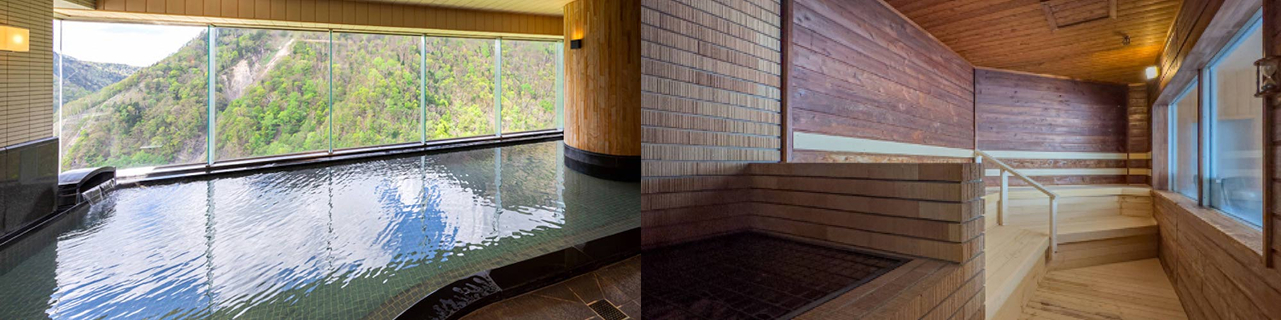
courtesy of Hotel Taisetsu website
After thoroughly enjoying nature through skiing on Kurodake and exploring the falls and canyon, I checked into Hotel Taisetsu ONSEN & CANYON RESORT for the night.
I quickly changed into a yukata and headed for the long-awaited hot springs! The hotel boasts three large baths and two outdoor baths—so many choices! I first prioritized the view and went to the 7th-floor observation bath "Taisetsu-no-yu." The neutral to mildly alkaline simple sulfur spring is gentle on the skin and perfect for recovery from fatigue. After working up a good sweat in the sauna, I couldn't help but let out a satisfied "Ahhhh" at the sense of liberation.
The hot springs soothed my cold, tired body.
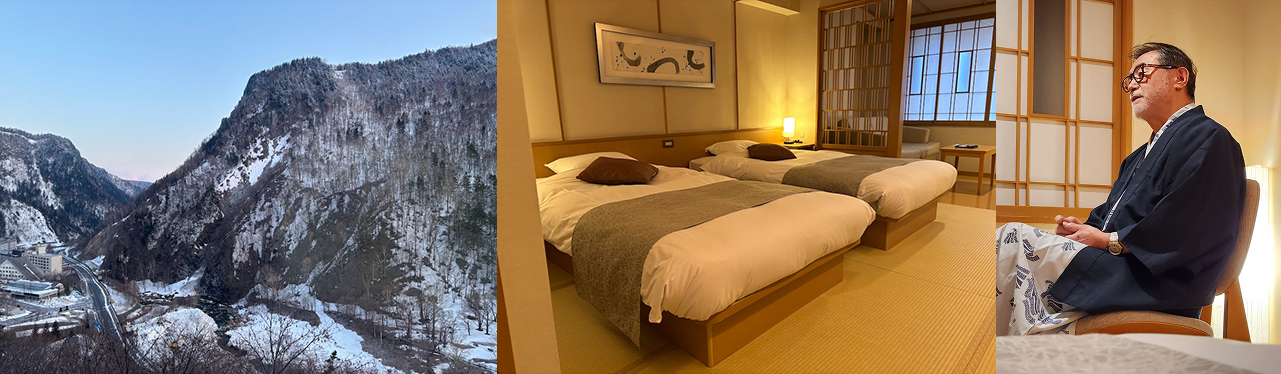
I stayed in "Yuki Hotaru," a Japanese-modern room on the 5th floor of the West Wing. Through the spacious room's windows stretched a magnificent view of the canyon—like watching a National Geographic documentary.
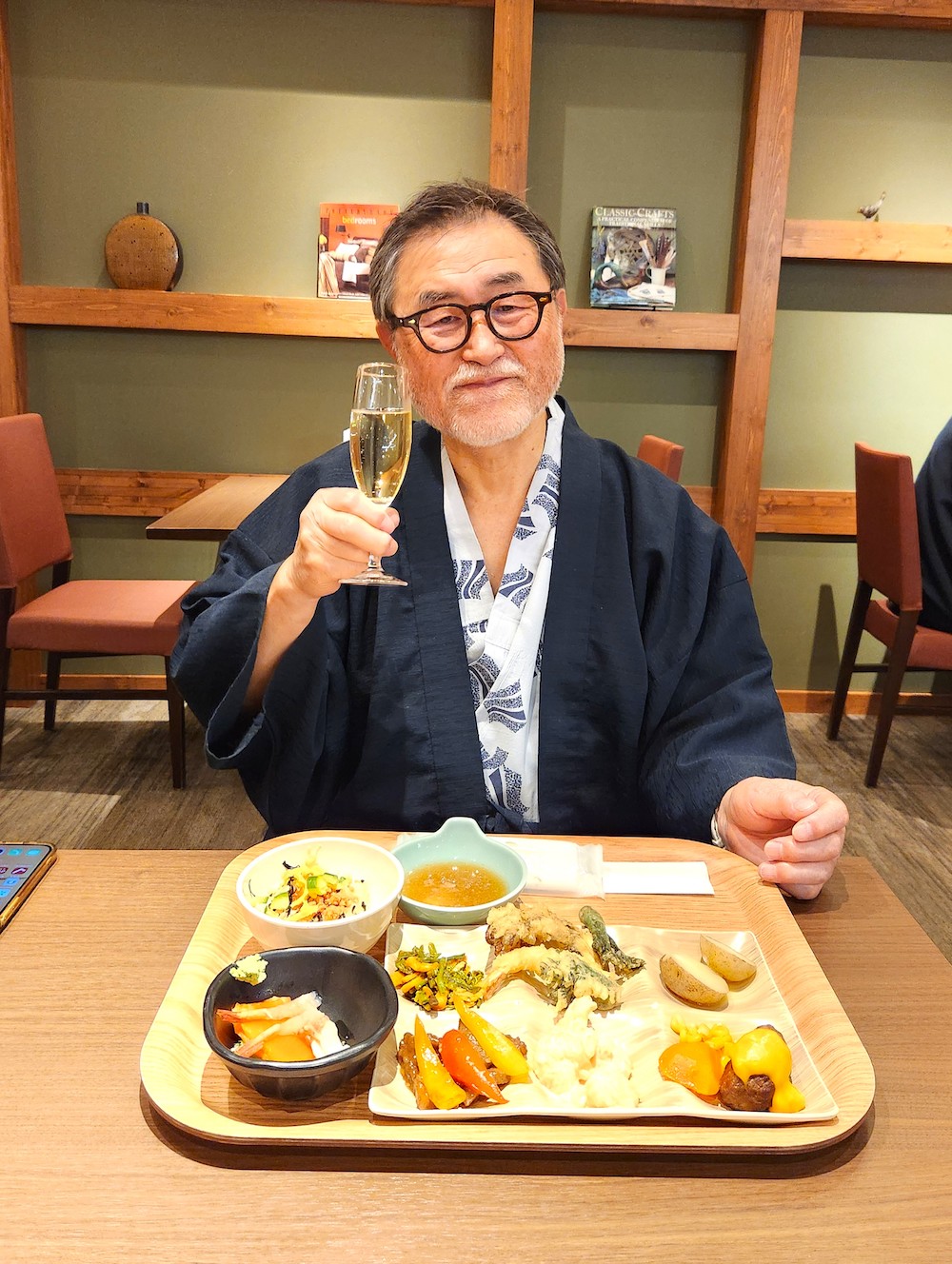
For dinner, I selected small portions of tempura mountain vegetables, steamed potatoes of the "Toya" variety, fresh sashimi, and more, washing it all down with sparkling wine. The free-flowing drinks included various wines, sake, and Hotel Taisetsu's original "Corn Beer." The menu offered Japanese, Western, Chinese, and ethnic cuisines—far more than I could sample—but I enjoyed everything while listening to my stomach's capacity.
Pleasant fatigue brought drowsiness, and I retired early in preparation for an early departure the next day.
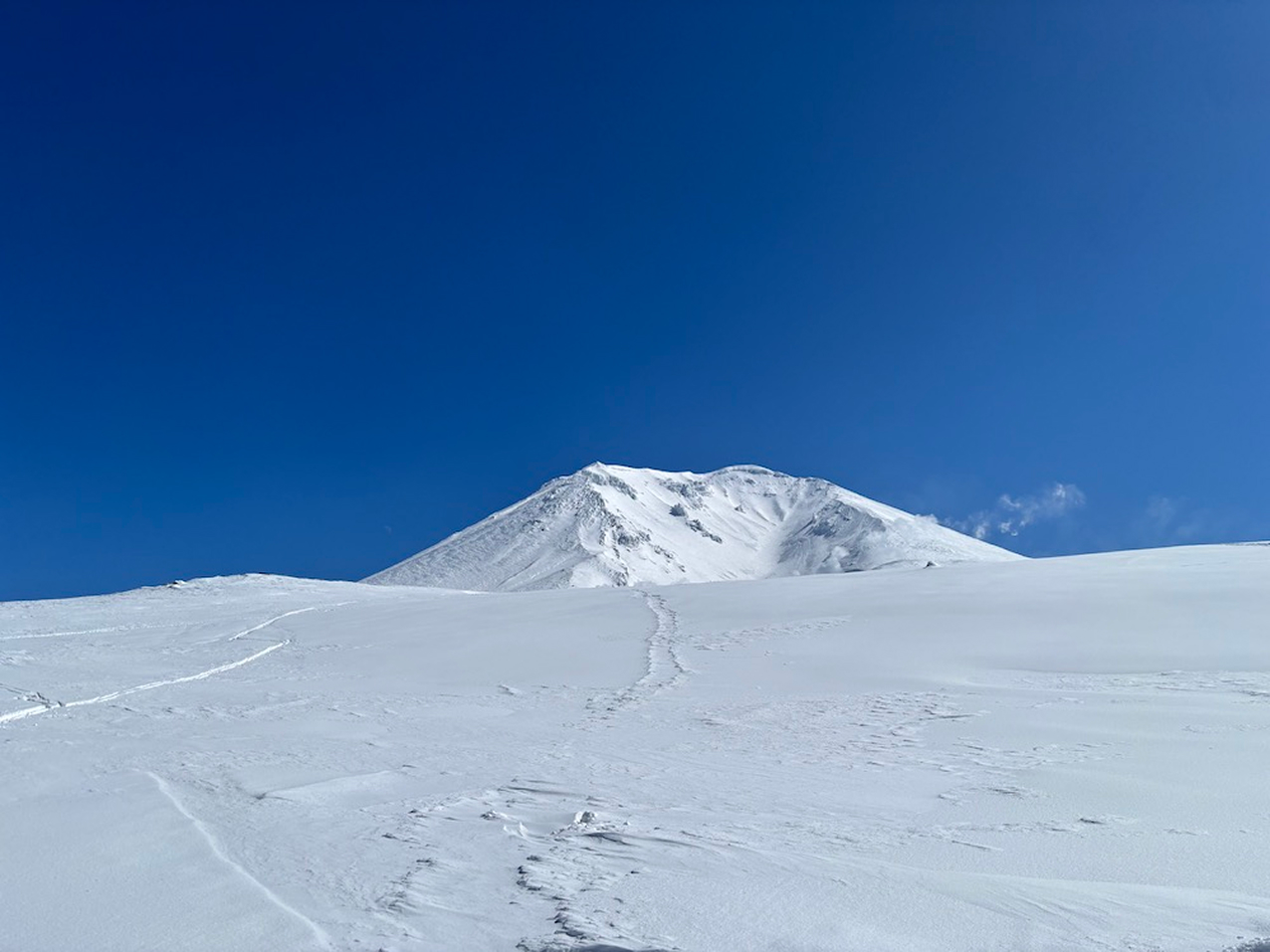
Enjoying Mount Asahidake under clear skies with powder snow
The following morning, I checked out at 7 AM and headed to Mount Asahidake. Since it's on the opposite side from Kurodake, I drove around the Taisetsuzan range. Unlike the previous day, we were blessed with clear skies. Though the ropeway was busy, the snow quality remained excellent powder. I met up with friends and once again reveled in the snowy world.
Though it was an ambitious one-night, two-day trip, I was completely satisfied. I was reminded anew of Taisetsuzan's appeal, offering abundant activities throughout the four seasons, and it made me want to return again and again.
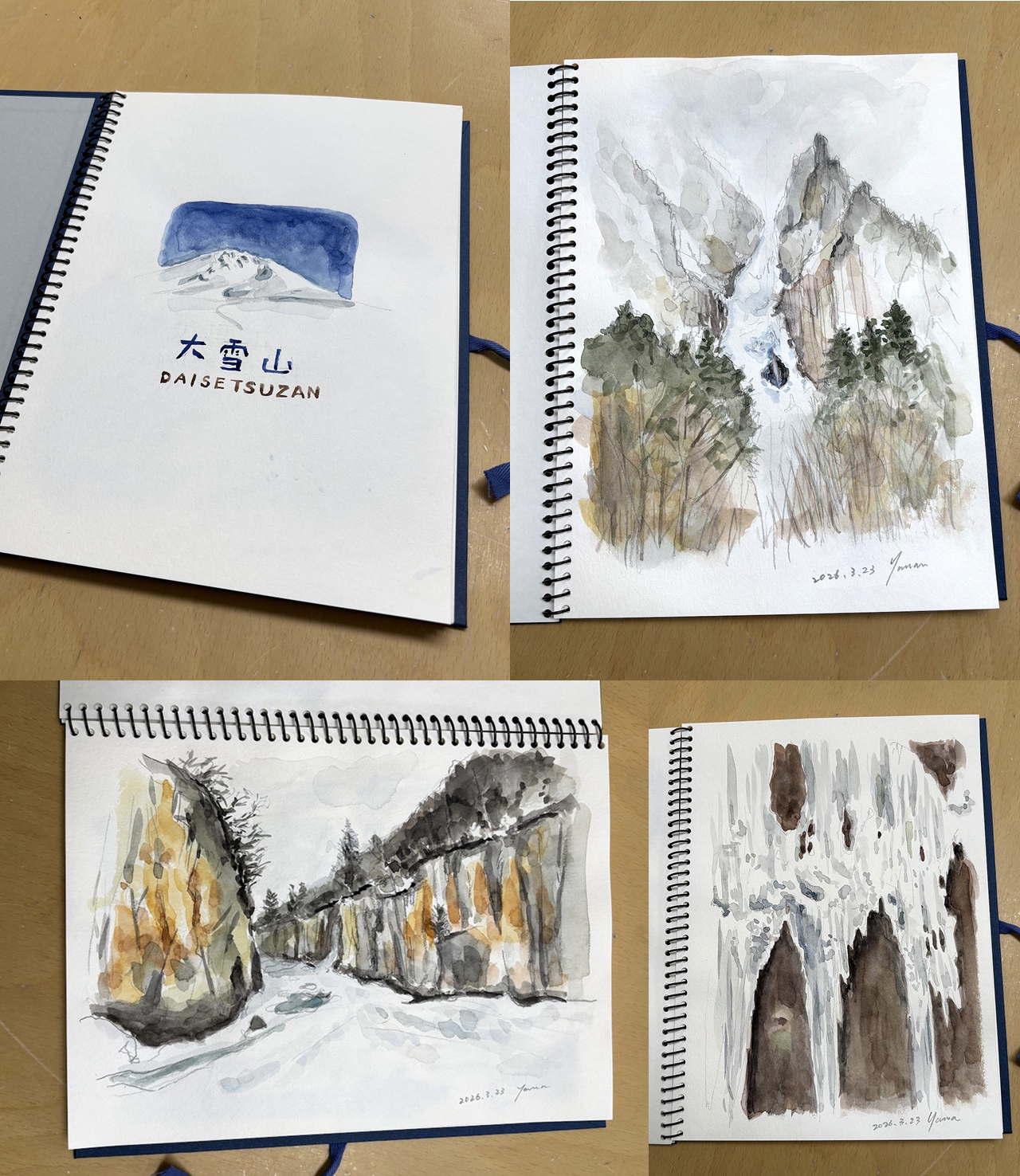
A sketch of this trip I drew after returning home. Such wonderful memories were made